
Genicular Artery Embolization (GAE)
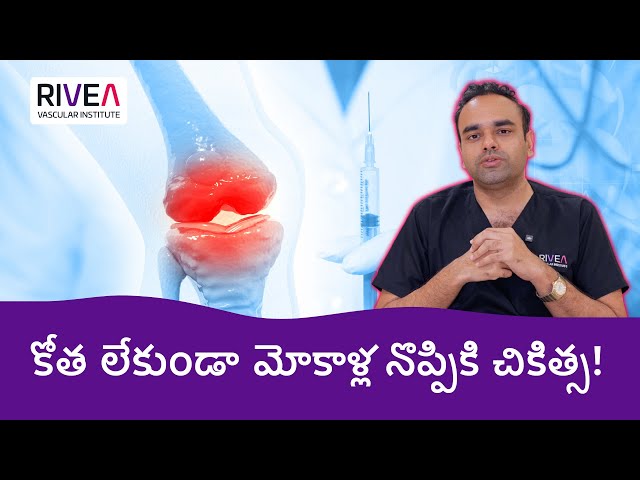
Knee osteoarthritis (OA) is a chronic, degenerative joint condition where the protective cartilage within the knee gradually wears away. Advanced cases may eventually require knee replacement surgery. However, many patients are not ideal candidates for surgery or are simply not ready. For these individuals, newer non-surgical options are emerging, including Genicular Artery Embolization (GAE).
Genicular Artery Embolization (GAE) is a minimally invasive procedure designed to relieve knee pain from osteoarthritis. GAE reduces blood flow to the inflamed tissue in the knee joint lining, significantly decreasing pain and improving mobility without surgery or hospital stays. At RIVEA, we specialize in Genicular Artery Embolization (GAE), a minimally invasive procedure designed to relieve knee pain from osteoarthritis.
When is GAE performed?
GAE is typically offered when knee pain from osteoarthritis continues to interfere with daily life despite conservative care. Symptoms of osteoarthritis that can severely impact quality of life include:
- Persistent knee pain during activity or rest
- Stiffness, especially after periods of inactivity
- Swelling and inflammation around the knee joint
- Clicking or grinding sensation
- Reduced ability to walk, climb stairs, or kneel comfortably
Understanding GAE
Who Is a Candidate for GAE?
Genicular Artery Embolization (GAE) is ideal for patients who are either not ready for knee replacement surgery or are considered high-risk for surgical procedures due to other health conditions.
Typical candidates include:
- Adults aged 40 to 80
- Those with moderate to severe knee pain
- Patients showing signs of osteoarthritis on X-ray, without major bone deformities
- Individuals with localized knee tenderness
- People who have not responded well to non-surgical treatments
GAE may not be suitable for individuals with advanced joint damage, active infections, a history of heavy smoking, or those who are strong candidates for knee replacement surgery.
For many, GAE can also serve as a temporary bridge to surgery, delaying the need for joint replacement while effectively managing pain.
What Happens During the Procedure?
GAE is a minimally invasive procedure done under twilight sedation. This means the patient is relaxed and comfortable but not fully unconscious. It’s performed in a specialized imaging suite, and they can go home the same day.
- A small puncture is made in the groin or upper thigh, where a thin, flexible catheter (tube) is gently inserted into an artery. There are no large incisions or stitches involved.
- Using live X-ray guidance (fluoroscopy), the interventional radiologist carefully navigates the catheter through the blood vessels to reach the genicular arteries—the small vessels that supply blood to the inflamed knee joint lining.
- Once the target vessels are reached, microspheres (tiny medical-grade particles) are released through the catheter. These particles block abnormal blood flow to areas of inflammation in the synovium (the tissue lining the knee joint).
- Reducing excess blood flow helps to calm inflammation, which in turn relieves pain, reduces swelling and can restore knee function, without removing tissue or replacing the joint.
- The entire procedure usually takes about 45 to 90 minutes, depending on the complexity of the patient’s blood vessels.
- After a short observation period, they’ll be discharged the same day, typically within a few hours of completion.
After the Procedure:
- Same-Day Discharge: Patients go home a few hours after the procedure.
- Recovery Time: Most people return to normal activities in 1–2 days.
- Pain Relief: Improvements typically begin within two weeks as inflammation subsides.
- No Scars or Incisions: Just a small puncture site—no surgical cuts or stitches.
Why Choose GAE Over Traditional Treatments
- Minimally Invasive – No large incisions or bone removal.
- Outpatient Procedure – No hospital stay required.
- Fast Recovery – Return to daily activities in a few days.
- Long-Lasting Relief – Studies show reduced pain lasting 12 months or more.
- Low Risk – Fewer complications compared to surgery or long-term medications.
- No Surgical Burnout – Preserves future options like knee replacement, if needed.
- Less Reliance on Medications – Reduces the need for daily painkillers or steroid injections.
Why Choose RIVEA for Genicular Artery Embolization (GAE)?
Minimally invasive care at RIVEA is led by Dr. Arjun Reddy, an interventional radiologist experienced in image-guided procedures.
- Expertise in GAE: Experience in image-guided interventions for knee osteoarthritis and chronic knee pain.
- Advanced Imaging Technology: RIVEA’s Allia IGS 7 system from GE HealthCare supports precise image-guided procedures with advanced imaging and radiation dose-management capabilities.
- Minimally Invasive Approach: Treatment through a small vascular access site may offer an alternative to more invasive procedures for suitable patients.
- Individualised Treatment Planning: Recommendations consider the cause and severity of knee pain, imaging findings, previous treatments and overall health.
- Guidance Throughout Treatment: Patients receive support from initial assessment through the procedure and follow-up, with clear communication at every stage.
FAQs
Is GAE painful?
No. GAE is performed under twilight sedation. Most patients report only mild discomfort, if any.
How soon can I return to daily activities?
Typically within 1–2 days. You may be advised to avoid strenuous activities for a short period.
Will I still need surgery later?
GAE does not prevent future knee replacement. It may delay or reduce the need for it.
Are there any scars?
No stitches or large incisions. Only a small puncture site is made.
How long does the relief last?
Many patients experience relief for a year or longer. Results may vary.
Click here to learn more about:
Osteoarthritis of the Knee
For any inquiries, post your query here:
Ask Rivea
Contact us today to explore your options.
Call Now
Our Team
-

Dr. Arjun Reddy
MBBS, MD
Chief Interventional RadiologistDr. Arjun Reddy is a highly accomplished Interventional Radiologist with extensive international training and a track record of pioneering minimally invasive, image-guided procedures in India.
View Profile Book an Appointment